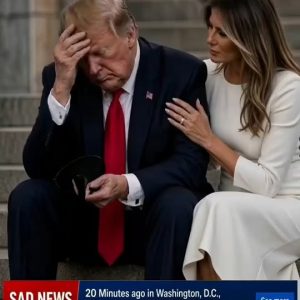
What remains is not a solved mystery, but a mirror held up to how we consume it. A shadowed figure, a glint in his hand, a slowing car—none of it arrives with context, only with captions written to provoke outrage or awe. The story spreads because it feels like it could be true, not because anyone has proved that it is. In that gap between image and explanation, imagination rushes in and quietly rewrites the night.
The real power of the scene lies in what we choose to do with uncertainty. We can turn it into ammunition, filling in motives and plots that suit our fears, or we can pause and admit what we don’t know. Demanding records, dates, and names is less dramatic than sharing a viral clip, but it is the only way to keep fiction from hardening into memory, and rumor from becoming our version of history.
A video can show a movement without explaining its purpose. It can establish that something appears within a frame while leaving the date, the surrounding circumstances, and the identity of a small object unresolved. Those are different kinds of information. Treating them as interchangeable allows a caption to do the work that the images themselves cannot do.